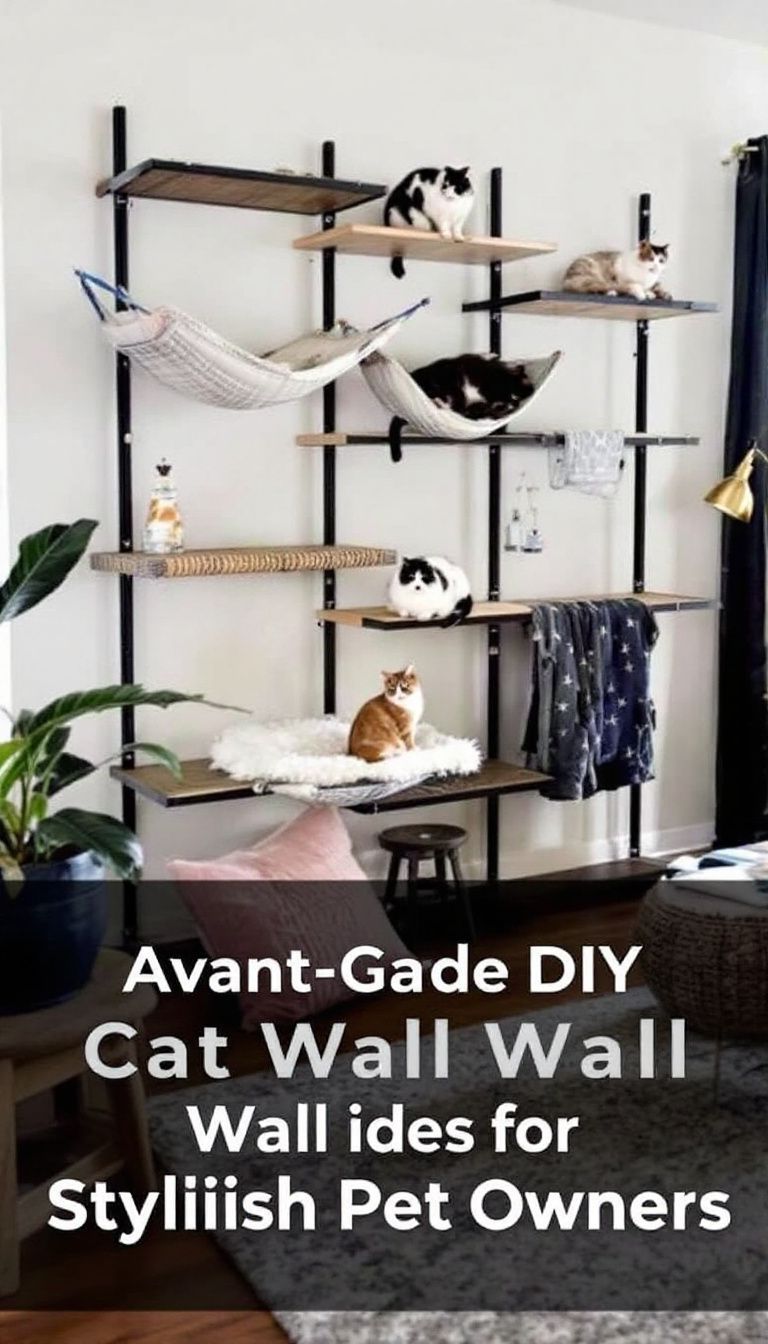
A DIY cat activity wall gives your cat a place to climb, perch, and play without taking up floor space. It keeps bored cats mentally stimulated and physically active all day long. Best of all, you can build one yourself for a fraction of the cost of store-bought systems.
- Key Takeaway 1: A cat activity wall uses vertical space your cat already wants to use.
- Key Takeaway 2: You can build a basic setup for under $100 using simple hardware.
- Key Takeaway 3: Safety comes first — every shelf and perch must be securely anchored to wall studs.
- Key Takeaway 4: Mix textures and heights to keep your cat engaged over the long term.
- Key Takeaway 5: Most builds take a single weekend and basic DIY skills.
Why Cats Need a Wall Activity System
The Natural Urge to Climb
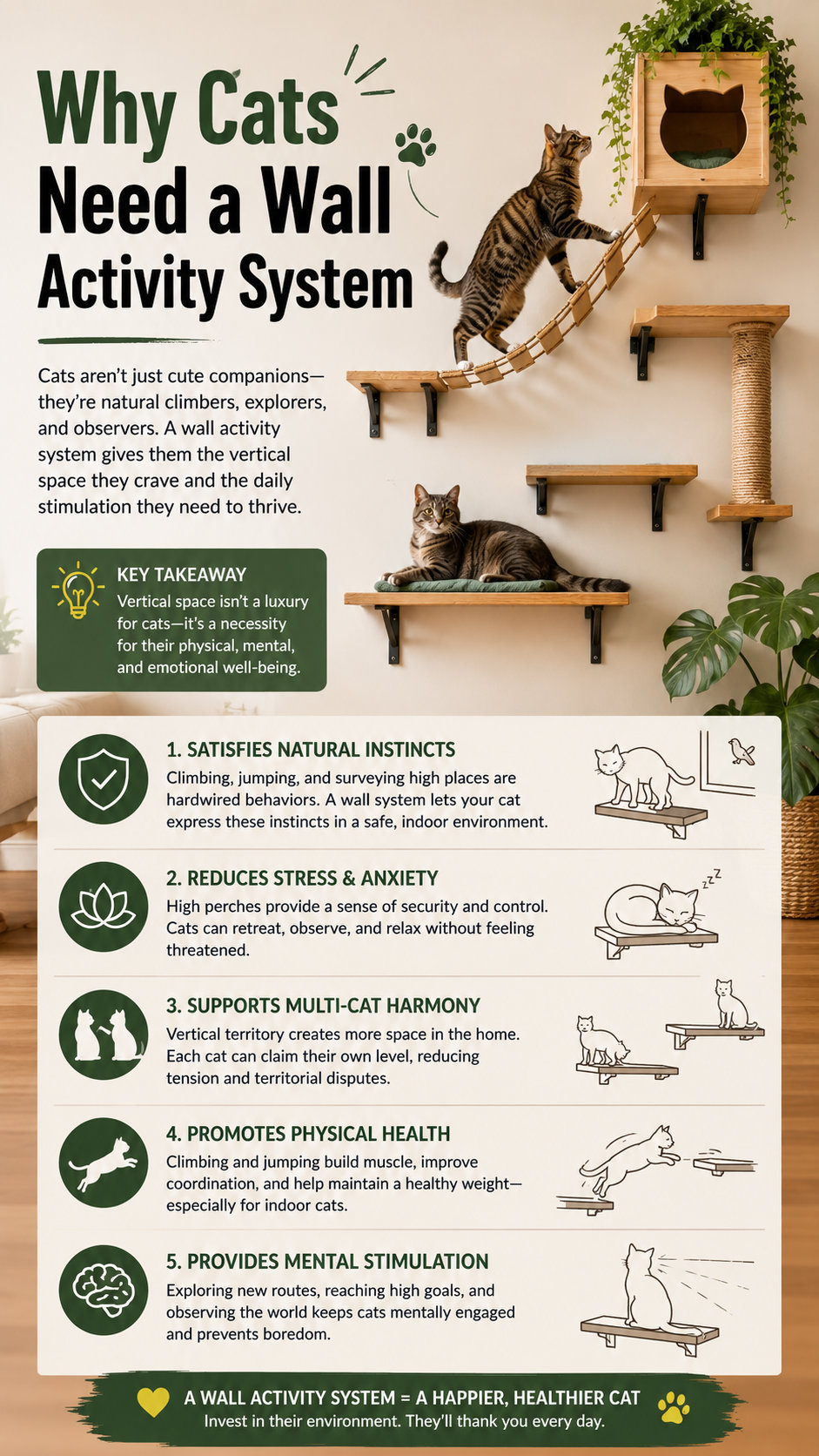
Cats are hardwired to seek high vantage points. In the wild, height means safety and a better view of prey. When your home has no vertical space, that instinct goes unsatisfied.
An unsatisfied cat often becomes a destructive one. Scratched furniture, knocked-over shelves, and midnight zoomies are classic signs your cat needs more enrichment. A cat activity wall channels that energy somewhere useful.
Physical and Mental Benefits
Climbing works muscles that flat-floor play simply cannot reach. It also keeps joints healthy, which matters more as your cat ages. Regular climbing can even help manage weight in indoor cats.
Mental stimulation is just as important as physical exercise. A wall with different textures, levels, and hiding spots gives your cat problems to solve every single day. That mental work tires them out in the best possible way — read more about Festive Felines: Cats And Christmas Trees for extra enrichment ideas.
Space-Saving for Small Homes
Floor-based cat trees take up square footage you might not have. A wall-mounted system uses space that would otherwise sit empty. This makes it perfect for apartments and small houses.
You can run shelves from floor to ceiling and give your cat an entire vertical highway without losing a single inch of floor space. That's a win for both of you.
Planning Your DIY Cat Activity Wall
Choosing the Right Wall
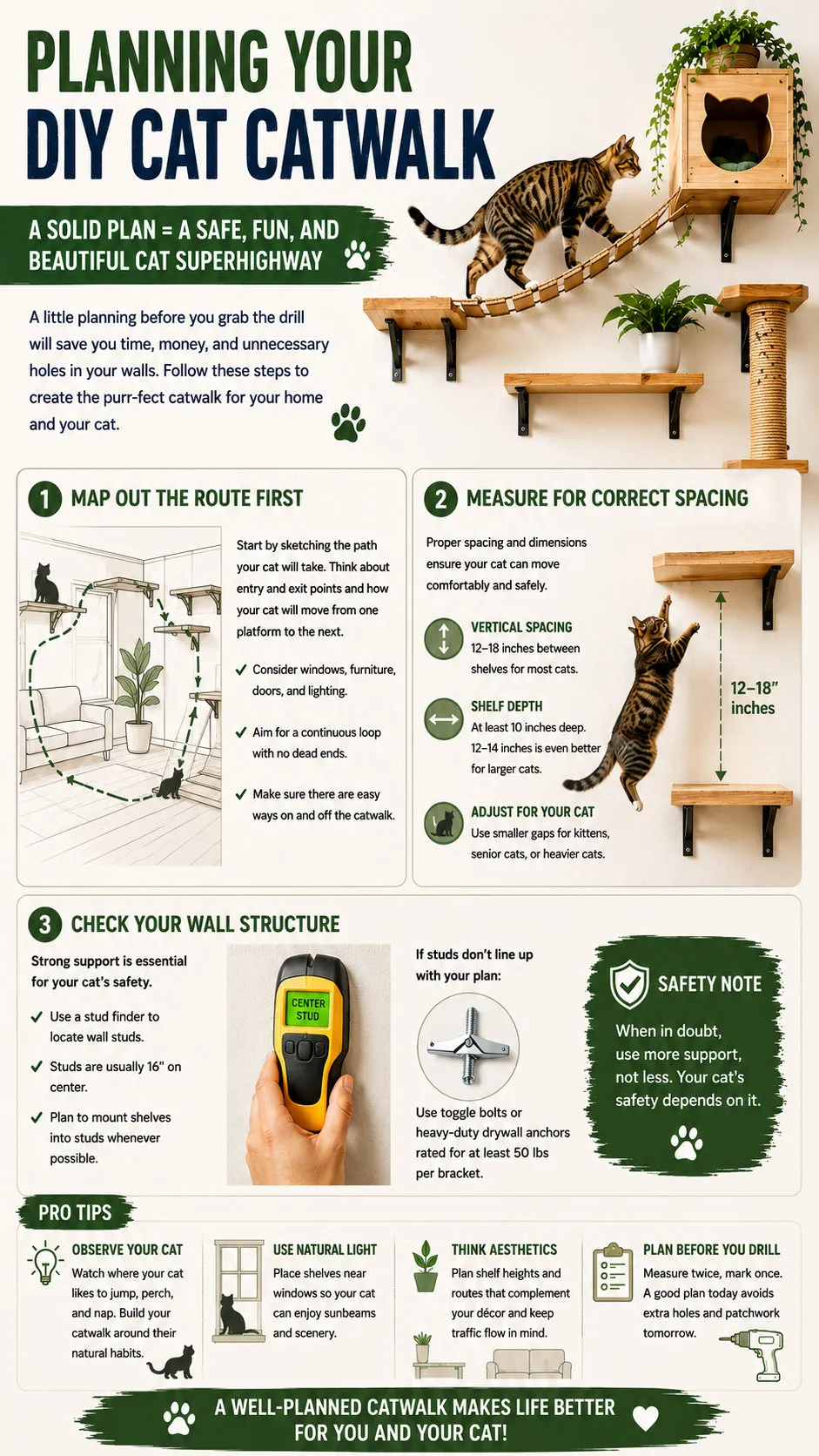
Pick a wall with enough studs to support multiple anchor points. Use a stud finder before you buy anything — you'll need solid anchoring for safety. Drywall anchors alone are not strong enough for a jumping cat's full weight.
Think about placement relative to windows. Cats love a view, so a wall near a window makes the whole system more appealing. Natural light and bird-watching can turn your activity wall into your cat's favorite spot in the house.
Mapping Out Your Layout
Sketch your design on paper first. Mark where each shelf, tunnel, and perch will go relative to the studs. Aim for shelf gaps of no more than 18 inches so your cat can move between levels comfortably.
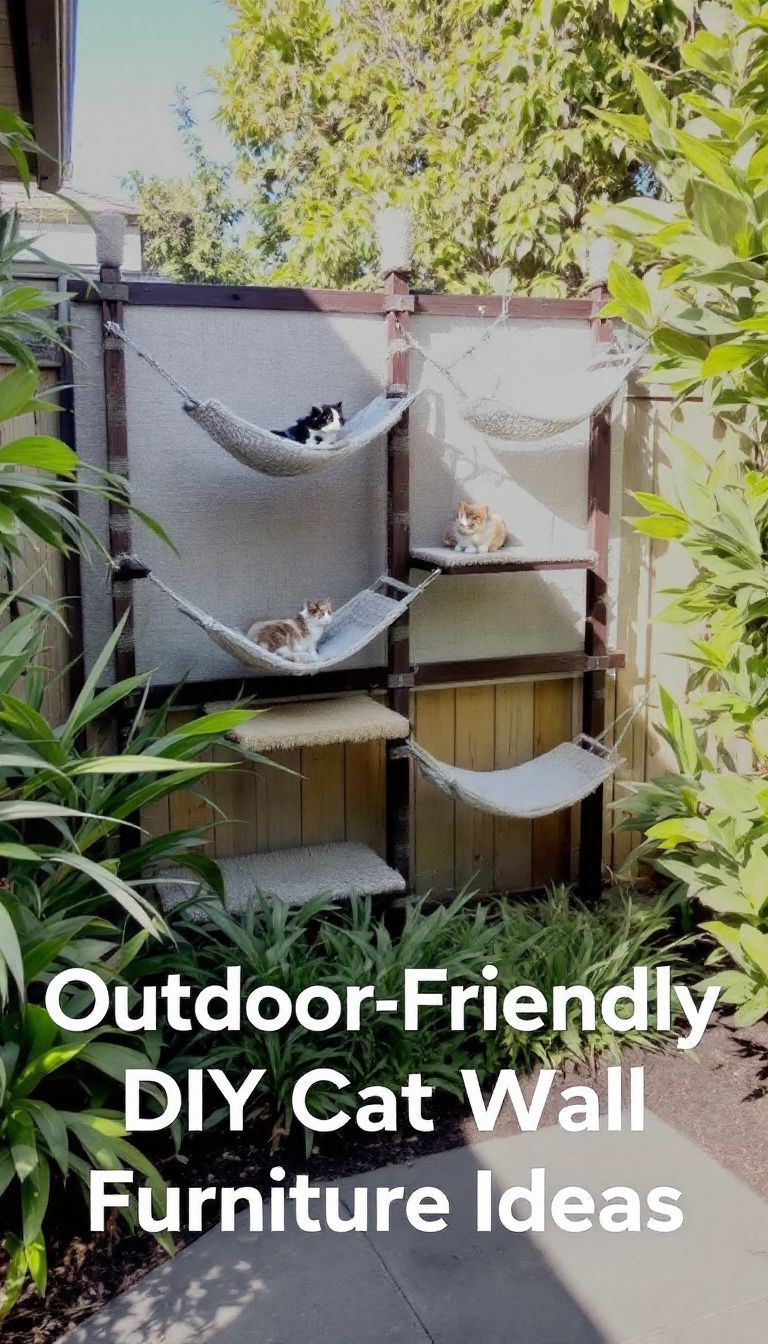
Include a mix of elements: flat shelves for lounging, angled shelves for climbing, sisal poles for scratching, and enclosed cubbies for hiding. Variety keeps your cat coming back. A zigzag or staggered pattern is easier to climb than a straight vertical line.
Measuring and Budgeting
Write down exact measurements for every piece before you shop. Buying too little lumber or too few brackets means an extra hardware store trip. It helps to add 10% to your material estimate as a buffer.
A basic wall with four to six shelves typically costs between $60 and $120 in materials. More complex builds with tunnels, ramps, and padded perches can run $150 to $300. Either way, you'll spend less than most commercial cat wall systems.
Materials and Tools You'll Need
Essential Building Materials
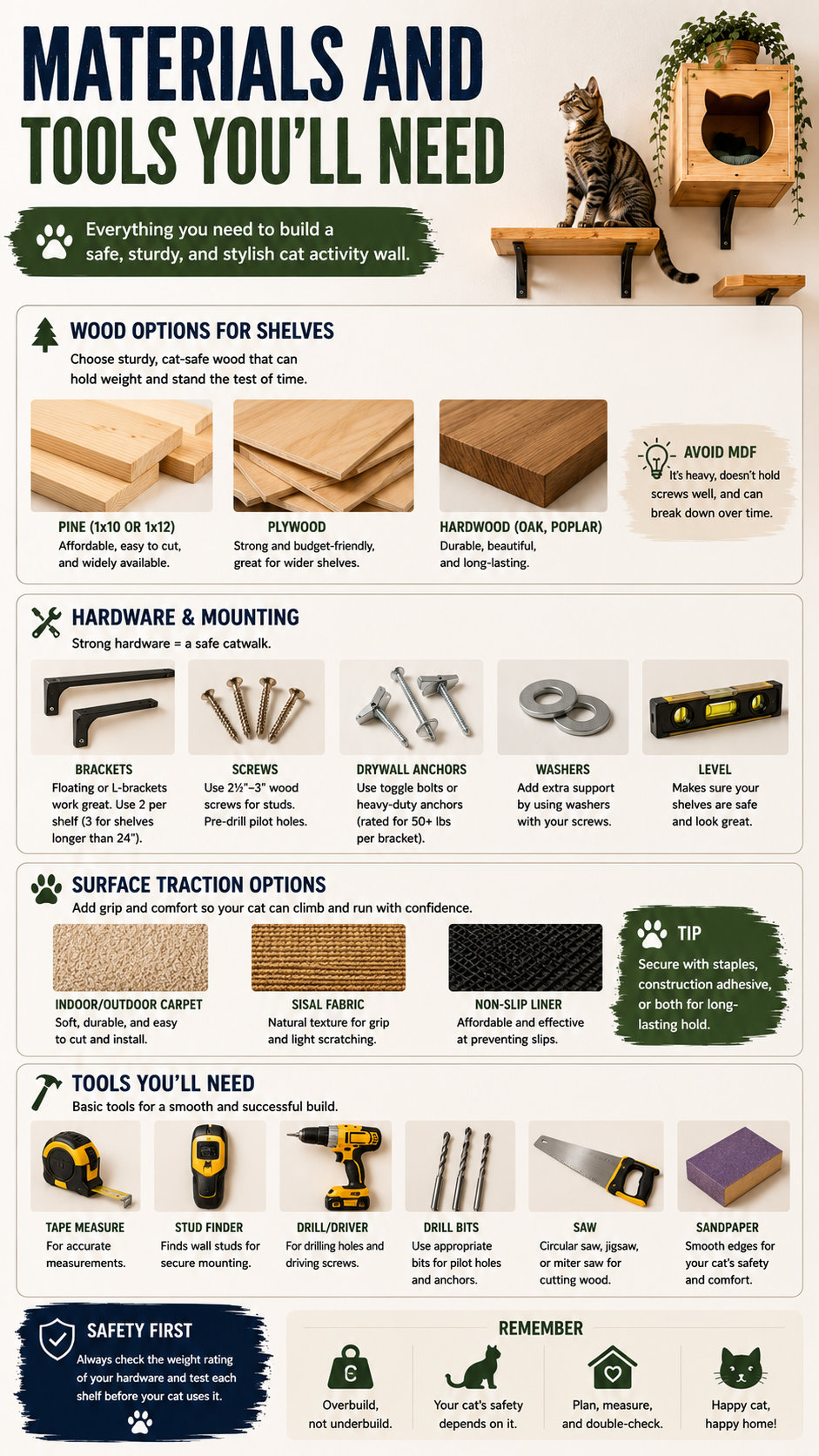
Here's what a standard DIY cat activity wall requires:
- Pine or plywood boards (1×8 or 1×10 inches work well for shelves)
- Heavy-duty L-brackets or floating shelf brackets rated for at least 50 lbs each
- Sisal rope for wrapping scratching posts or poles
- Carpet or faux fur fabric for covering shelf surfaces
- Wood screws long enough to reach into studs (at least 2.5 inches)
- Wall anchors as a backup where studs are not available
- Non-toxic wood stain or paint if you want a finished look
Tools Required
You don't need a full workshop for this project. A basic toolkit covers everything.
- Stud finder
- Drill and drill bits
- Level
- Measuring tape
- Saw (hand saw or circular saw)
- Staple gun (for attaching carpet or fabric)
- Sandpaper or sanding block
If you don't own a saw, most hardware stores will cut lumber to size for free or a small fee. This makes the project much more manageable.
Product Recommendations
Certain products make the build easier and the finished wall safer.
Recommended Products
Look for floating shelf brackets with a weight rating clearly stated on the packaging. Avoid decorative brackets designed for lightweight items — they won't hold a 15-pound cat mid-leap. Sisal rope sold by the roll gives you the best value for wrapping scratching posts.
Step-by-Step Building Guide
Step 1 — Find Studs and Mark Your Layout
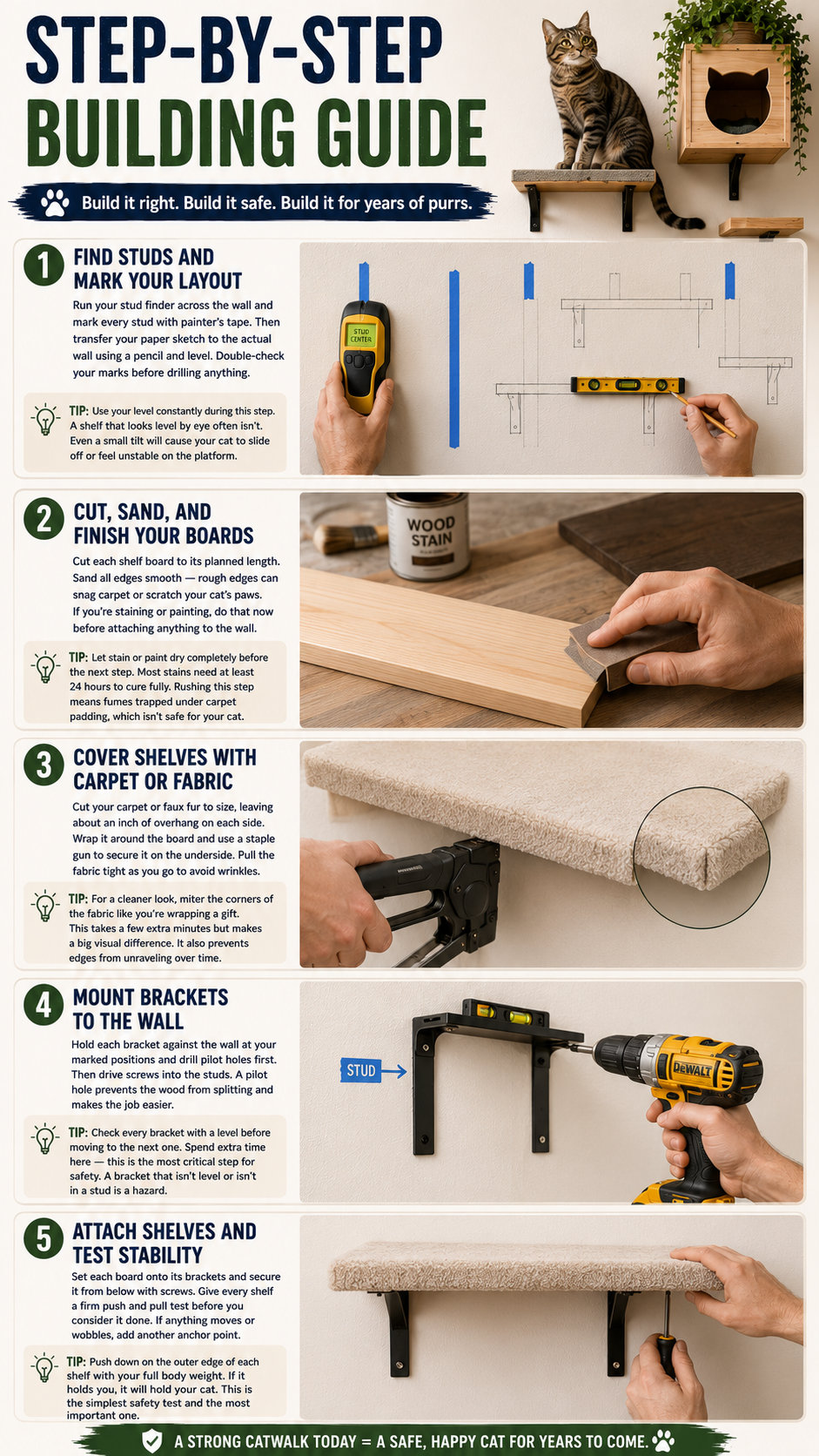
Run your stud finder across the wall and mark every stud with painter's tape. Then transfer your paper sketch to the actual wall using a pencil and level. Double-check your marks before drilling anything.
Use your level constantly during this step. A shelf that looks level by eye often isn't. Even a small tilt will cause your cat to slide off or feel unstable on the platform.
Step 2 — Cut, Sand, and Finish Your Boards
Cut each shelf board to its planned length. Sand all edges smooth — rough edges can snag carpet or scratch your cat's paws. If you're staining or painting, do that now before attaching anything to the wall.
Let stain or paint dry completely before the next step. Most stains need at least 24 hours to cure fully. Rushing this step means fumes trapped under carpet padding, which isn't safe for your cat.
Step 3 — Cover Shelves With Carpet or Fabric
Cut your carpet or faux fur to size, leaving about an inch of overhang on each side. Wrap it around the board and use a staple gun to secure it on the underside. Pull the fabric tight as you go to avoid wrinkles.
For a cleaner look, miter the corners of the fabric like you're wrapping a gift. This takes a few extra minutes but makes a big visual difference. It also prevents edges from unraveling over time.
Step 4 — Mount Brackets to the Wall
Hold each bracket against the wall at your marked positions and drill pilot holes first. Then drive screws into the studs. A pilot hole prevents the wood from splitting and makes the job easier.
Check every bracket with a level before moving to the next one. Spend extra time here — this is the most critical step for safety. A bracket that isn't level or isn't in a stud is a hazard.
Step 5 — Attach Shelves and Test Stability
Set each board onto its brackets and secure it from below with screws. Give every shelf a firm push and pull test before you consider it done. If anything moves or wobbles, add another anchor point.
Push down on the outer edge of each shelf with your full body weight. If it holds you, it will hold your cat. This is the simplest safety test and the most important one. You can also find more tips about keeping your cat safe at home at 10 Effective Tips on How to Keep Cats Away from Christmas Trees.
Adding Features to Enrich Your Cat Wall
Tunnels and Enclosed Spaces
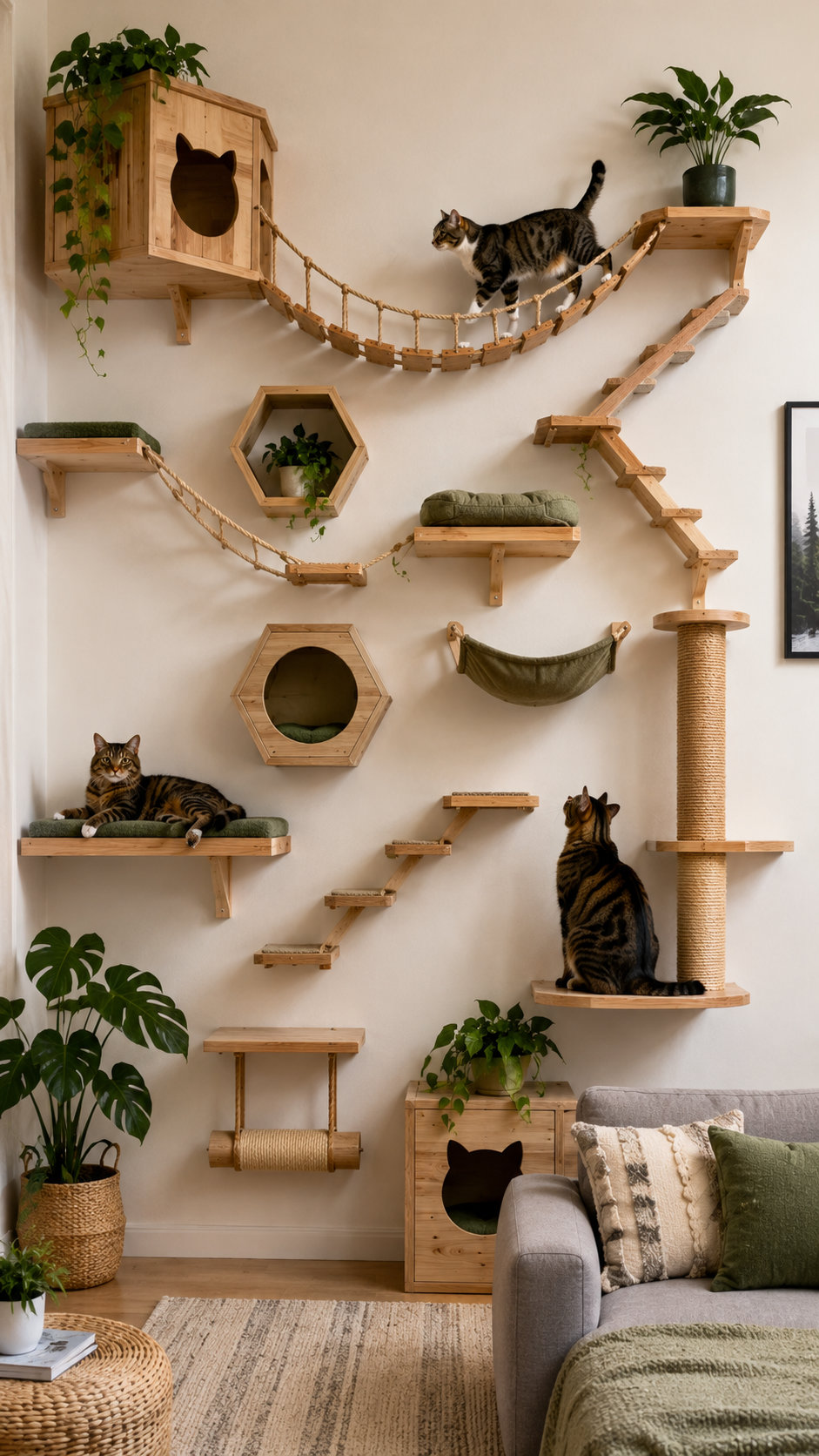
Cats feel safest when they have a place to hide. Adding a small wooden box or commercial cat tunnel to your wall satisfies that need. Cut an entry hole on one or both sides and sand the edges smooth.
Line the inside with soft fleece or faux fur. A dark, cozy enclosed space at a high point on the wall will become your cat's go-to resting spot. Many cats prefer this over any open shelf.
Scratching Posts and Sisal Elements
Wrap a vertical board or dowel tightly with sisal rope and mount it between two shelves. Secure the rope ends with a staple or dab of non-toxic glue so they don't unravel. This gives your cat a built-in scratching station.
Scratching is a territorial behavior cats need to perform regularly. Giving them a dedicated spot on the activity wall keeps them from redirecting that behavior to your furniture. For more on this topic, see our guide at Ultimate Guide To Cat-Friendly Christmas Tree Ideas.
Ramps and Bridges
Older cats or kittens may struggle with big jumps between shelves. A short angled ramp bridging two levels solves that problem. Cut the board at an angle and cover it with carpet for grip.
Rope bridges add another fun element and work well between shelves that are close together. Use thick natural rope with knots tied at regular intervals so your cat's paws grip easily. Test rope bridges with hand pressure before letting your cat use them.
Safety Tips Every Cat Owner Should Follow
Weight Limits and Load Testing
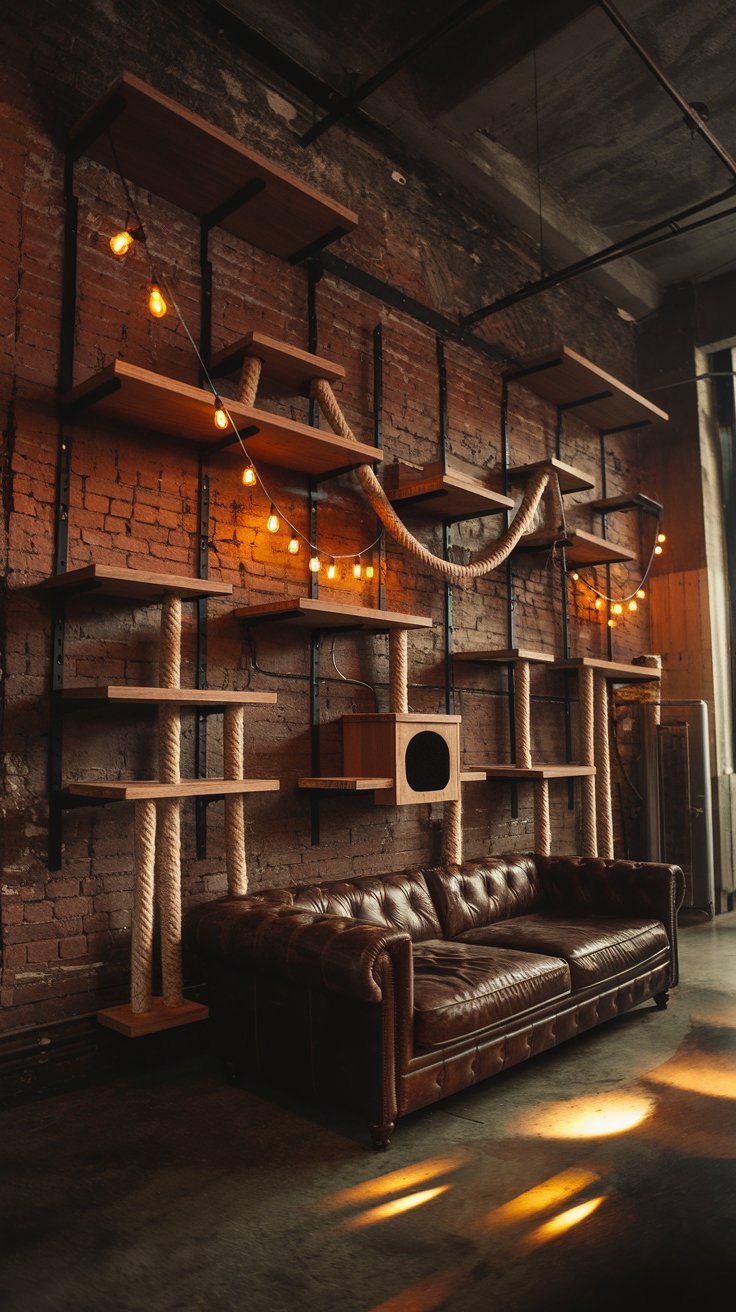
Every bracket has a stated weight limit — never exceed it. A 12-pound cat launching itself at a shelf creates much more force than 12 pounds of static weight. Use brackets rated for at least double your cat's weight to account for that impact force.
Test every shelf after mounting and again after your cat has used the wall for a week. Screws can loosen slightly after repeated use. A quick check every few months keeps everything safe long-term.
Toxic Materials to Avoid
Some paints, stains, and adhesives are toxic to cats. Always choose water-based, low-VOC products and let them cure fully before your cat uses the wall. When in doubt, leave wood natural and unfinished.
Avoid using pressure-treated lumber — it contains chemicals that aren't safe for animals. Standard pine or untreated plywood is the safest choice for any surface your cat will touch directly.
Monitoring and Maintenance
Inspect the wall monthly for loose screws, frayed carpet, or damaged sisal rope. Tighten any loose fasteners immediately. Replace worn carpet sections before they become a slipping hazard.
If a shelf ever feels even slightly loose, take your cat away from that area until you've fixed it. Don't wait and see. A falling shelf can cause serious injury.
Frequently Asked Questions
How high should cat wall shelves be placed?
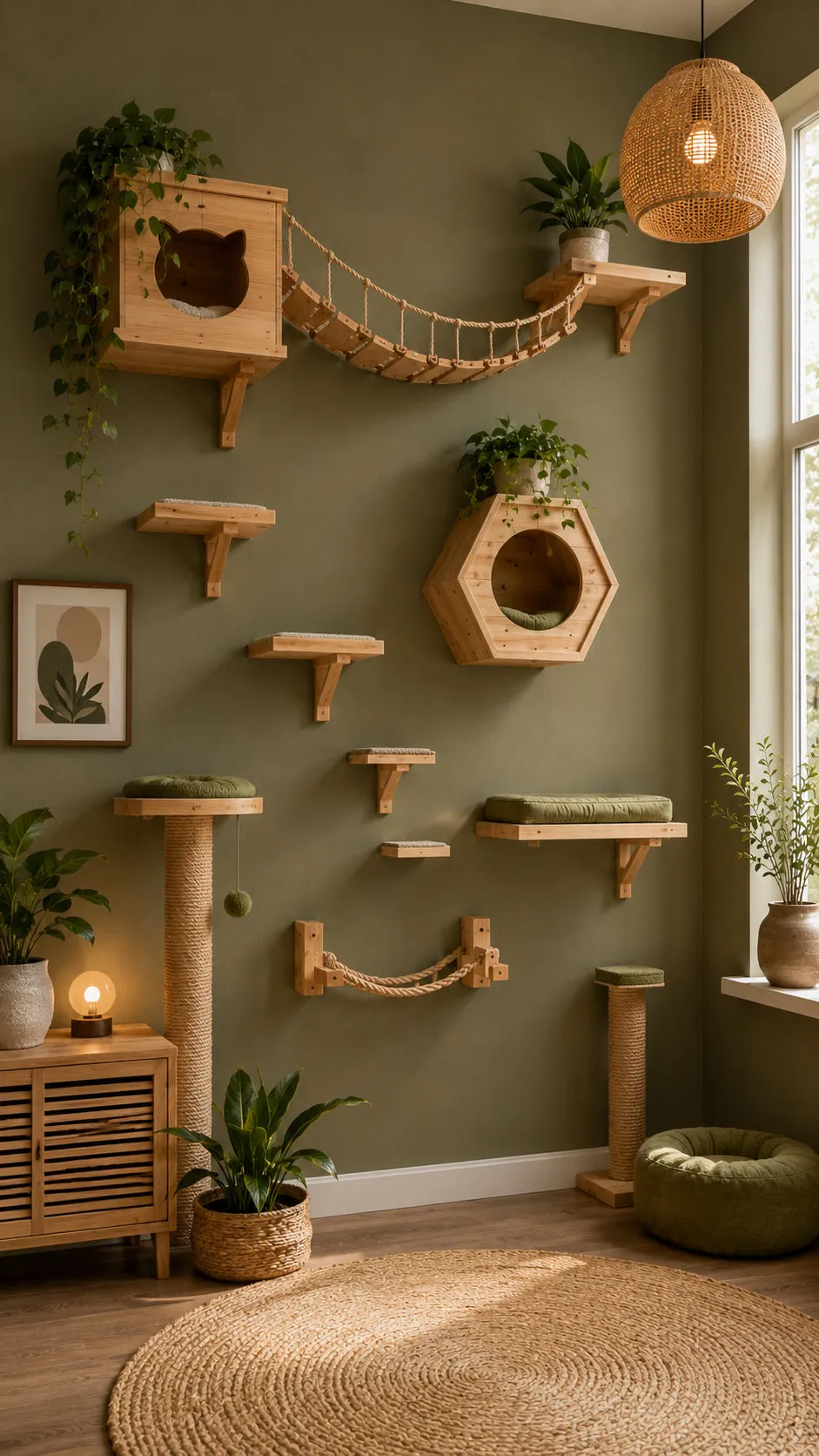
The lowest shelf should be reachable without a big leap — around 18 to 24 inches from the floor works well. Space each shelf no more than 18 inches apart vertically so even older cats can move between levels comfortably. The highest shelf can go as high as you like, but make sure there's always a safe route back down.
What is the best wood for a DIY cat activity wall?
Standard pine boards are the most popular choice because they're affordable, widely available, and easy to work with. Plywood is a good option for wider shelves because it resists warping. Avoid MDF — it absorbs moisture and can weaken over time, especially if your cat's paws are ever damp.
How do I stop my cat from scratching the carpet on the shelves?
Cats scratch to mark territory and maintain their claws — it's completely normal. The best solution is to add dedicated sisal scratching elements directly to your wall so your cat has an outlet right there. Most cats will prefer the sisal over the shelf carpet once a scratching post is nearby.
Can I build a cat activity wall in a rental apartment?
Yes, but you'll need to be more careful about wall damage. Use the largest possible wall anchors rated for your cat's weight, or look into freestanding modular cat wall systems that don't require drilling. Some renters also build a floor-to-ceiling tension pole system that mounts shelves without touching drywall at all.
How long does it take to build a basic cat activity wall?
A simple four to six shelf setup takes most people one full day, including shopping for materials. A more complex build with tunnels, ramps, and sisal poles can take a full weekend. Having all your materials ready before you start cuts down the build time significantly.
A DIY cat activity wall is one of the best investments you can make in your cat's health and happiness. It doesn't require advanced skills, and the results last for years with basic maintenance. Start simple, test everything for safety, and add features as your cat shows you what they love most.
This website contains affiliate links. As an Amazon Associate and an affiliate for other programs, I earn from qualifying purchases. Clicking on an affiliate link may result in a commission being paid to me at no additional cost to you.




Leave a Reply