A DIY cat wall scratcher saves you money and gives your cat exactly what they need — a dedicated spot to stretch, scratch, and mark their territory. Building one at home is easier than you might think, even if you're not a seasoned carpenter. With the right materials and a little planning, you can create something that looks great in your home and keeps your furniture safe.
Key Takeaways
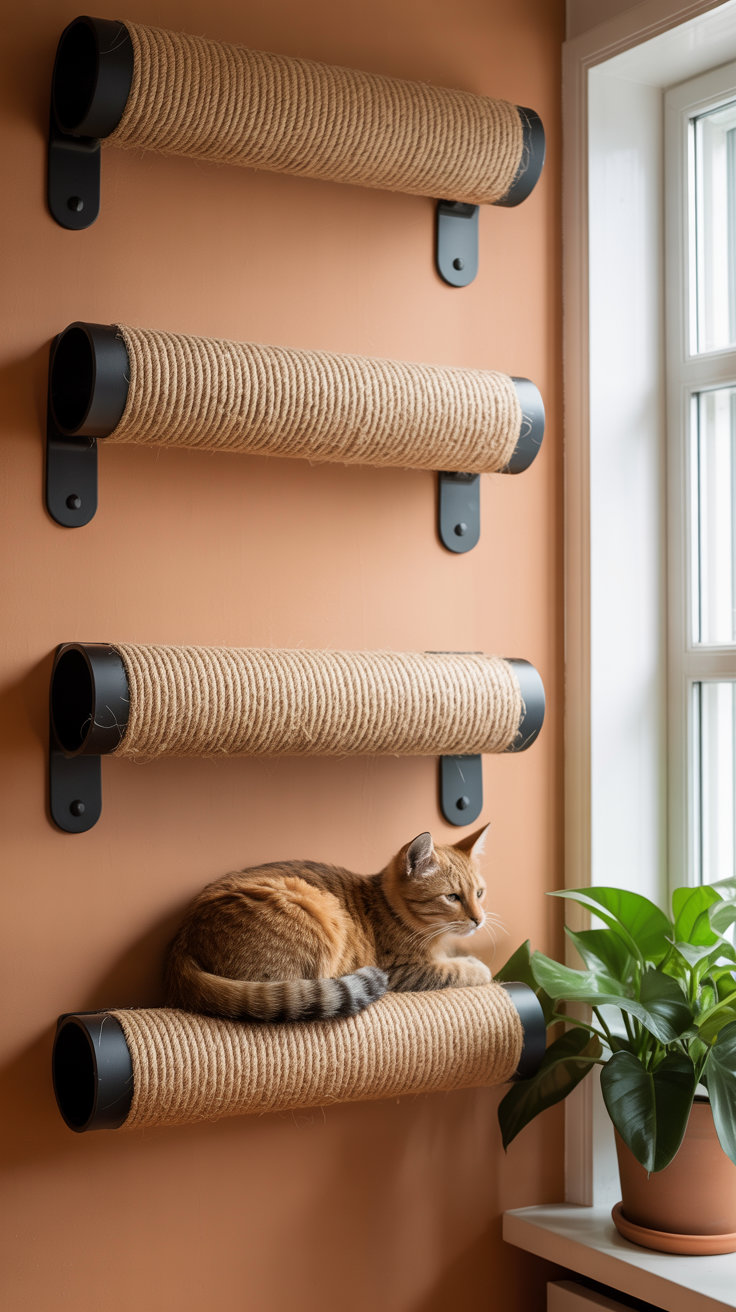
- Wall-mounted scratchers save floor space and work well in small apartments or busy rooms.
- Sisal rope and sisal fabric are the best materials — cats love the texture and they last a long time.
- Height matters: mount your scratcher at a level that lets your cat fully extend their body.
- You can build a basic wall scratcher for under $20 using supplies from a hardware store.
- Multiple panels arranged as a cat wall give cats more enrichment and exercise options.
Why Cats Need a Wall Scratcher
Scratching Is a Natural Behavior
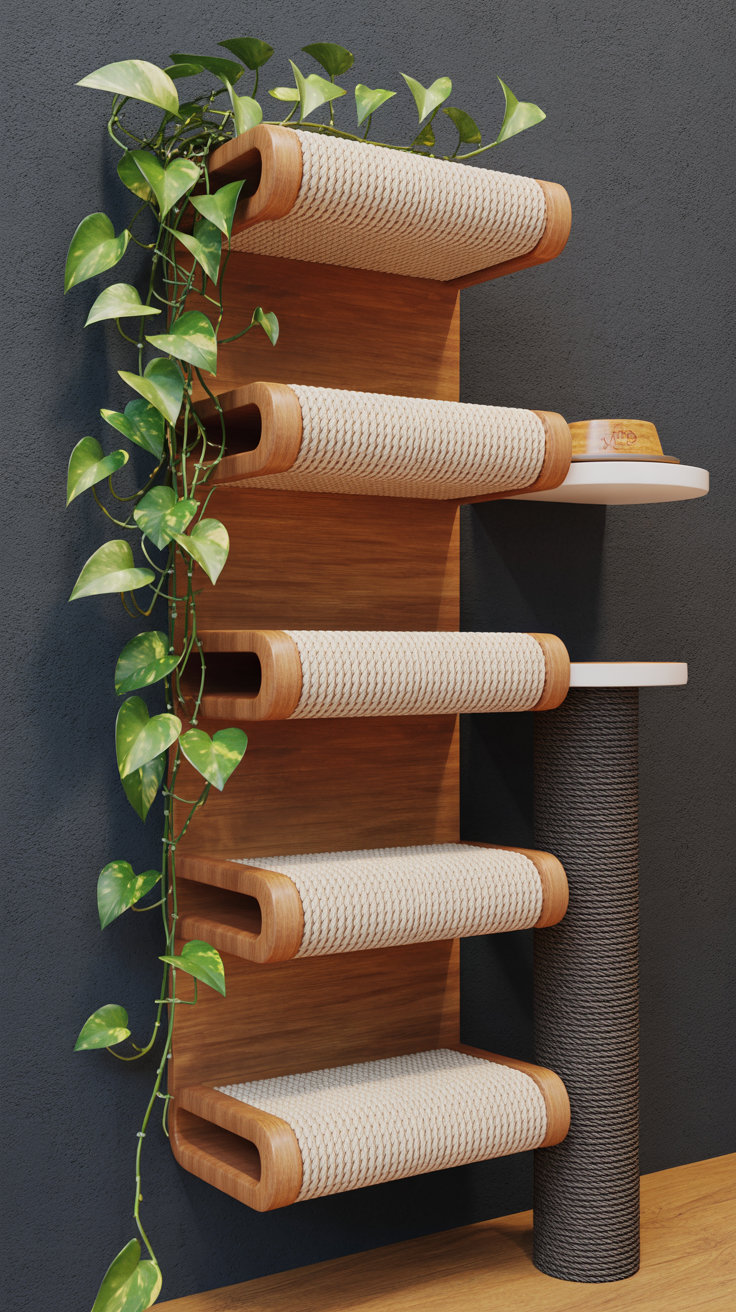
Cats scratch for several reasons — it's not just about sharpening claws. They're also stretching their muscles, relieving stress, and leaving scent marks from glands in their paws. If you don't give them a good outlet, your sofa, carpet, or door frames will become their target.
A wall-mounted scratcher taps directly into this instinct. It lets your cat scratch in a vertical position, which is how they naturally prefer to stretch. Many cats actually skip horizontal scratchers and head straight for the couch because nothing vertical is available.
Benefits of Going Wall-Mounted
Wall scratchers are a smarter use of space than freestanding posts. They don't tip over, they stay in one spot, and cats can't knock them down mid-scratch. That stability makes cats more confident using them consistently.
They also double as décor. A well-designed DIY cat wall scratcher can look like a modern wall feature rather than a pet accessory. You can paint the backing board, choose stylish rope colors, or even add small shelves to create a full cat wall. Festive Felines: Cats And Christmas Trees
Signs Your Cat Needs More Scratching Options
If your cat is scratching furniture, carpets, or door frames, they're telling you something is missing. You may not have enough scratching surfaces, or the ones you do have aren't in the right spots. Cats prefer to scratch near where they sleep and near entry points in the home.
- Scratching the couch corners or armrests
- Pulling at carpet edges near doors
- Ignoring existing scratchers
- Scratching walls or baseboards
Materials You Need to Build a DIY Cat Wall Scratcher
The Best Scratching Surfaces
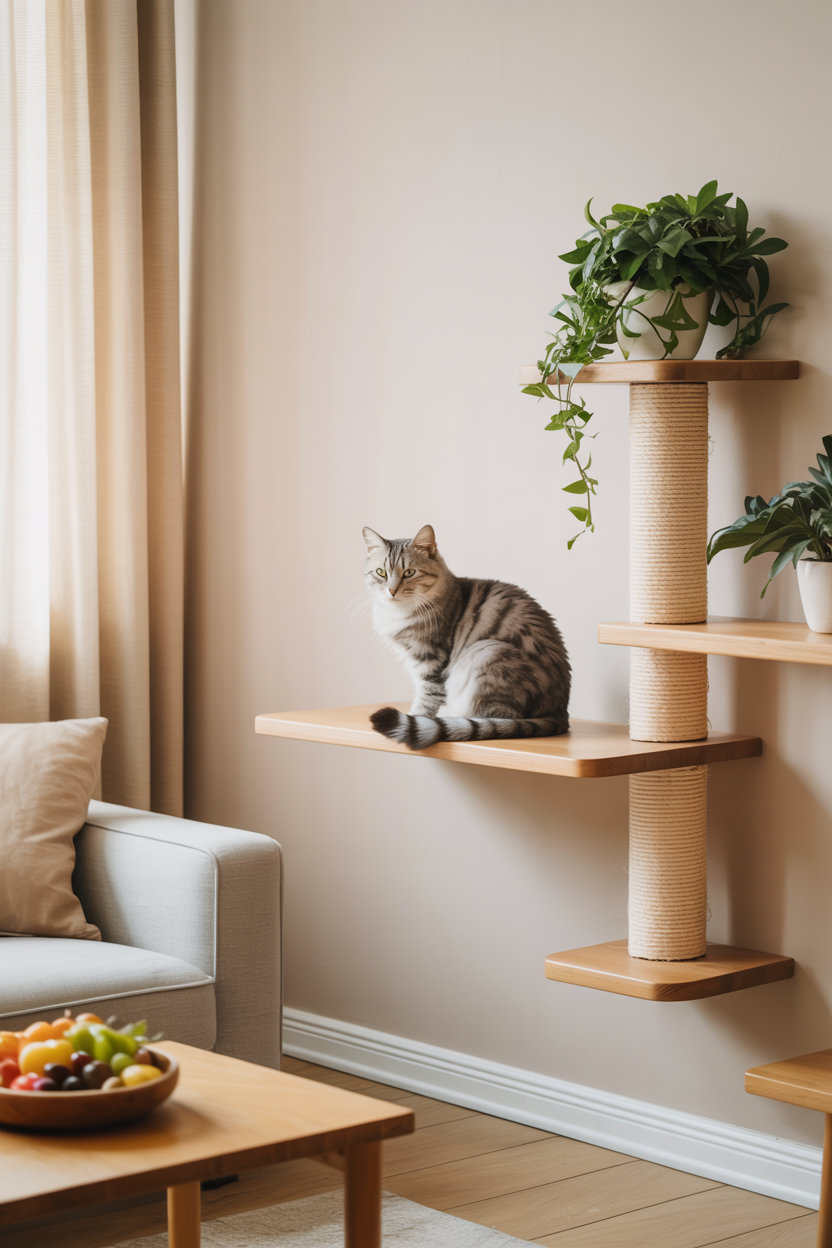
Sisal rope is the gold standard for cat scratchers. It's rough enough to satisfy the urge to scratch, it holds up to repeated use, and it's affordable. You can buy it at any hardware store or online in bulk.
Sisal fabric is another excellent option. It has a flat, woven texture that some cats prefer to rope. It's easier to attach to a flat board and gives a cleaner, more finished look. Both materials are safe and natural — no chemicals your cat could ingest while grooming their paws.
Avoid carpet as a scratching surface. It can train your cat to scratch all carpet, including your floors. Cardboard is fine for horizontal scratchers but doesn't hold up well in a wall-mounted setup.
Wood and Mounting Hardware
A basic backing board is all you need to get started. Plywood or MDF works well — both are cheap, easy to cut, and hold screws firmly. For a standard wall scratcher panel, a piece around 12 inches wide by 24 inches tall is a good size for most cats.
For mounting, you'll need:
- Wall anchors or toggle bolts for drywall
- L-brackets or a French cleat system for easy removal
- Wood screws to attach the sisal or fabric
- A stud finder to locate wall studs for a secure mount
Always mount into studs when possible. A cat scratching with full body weight can put surprising force on a panel, and you want it to hold firm. 10 Effective Tips on How to Keep Cats Away from Christmas Trees
Optional Add-Ons and Tools
A staple gun makes attaching sisal fabric fast and secure. If you're wrapping rope, you'll also need a hot glue gun to hold the starting and ending points in place. Wood glue and clamps come in handy if you're building a more complex multi-panel setup.
Optional upgrades include:
- Wooden shelves or ledges for climbing
- Small hanging toys attached to the panel
- A coat of paint or wood stain on the backing board
- Catnip spray to attract your cat to the new scratcher
Step-by-Step Guide to Building Your Wall Scratcher
Step 1 — Cut and Prep the Board
Cut your backing board to size if it didn't come pre-cut. Sand all edges smooth so there are no splinters. If you want to paint or stain the board, do it now before attaching any material — it's much easier at this stage.
Decide whether you're wrapping rope or stapling fabric. Both work well, but fabric is faster and rope looks more rustic. For a first build, sisal fabric is the easiest starting point.
Step 2 — Attach the Sisal
If using sisal fabric, cut it slightly larger than your board. Fold the edges over the back and staple them down, pulling the fabric taut as you go. Think of it like wrapping a picture frame — neat corners and no wrinkles.
If using sisal rope, start at the bottom edge and use hot glue to hold the first loop in place. Wind the rope tightly up the board, pressing each row firmly against the last. Secure the final end with hot glue and a staple for extra hold.
Make sure the surface has no loose areas. Cats pull hard, and a loosely attached section will unravel quickly and could become a hazard.
Step 3 — Mount It to the Wall
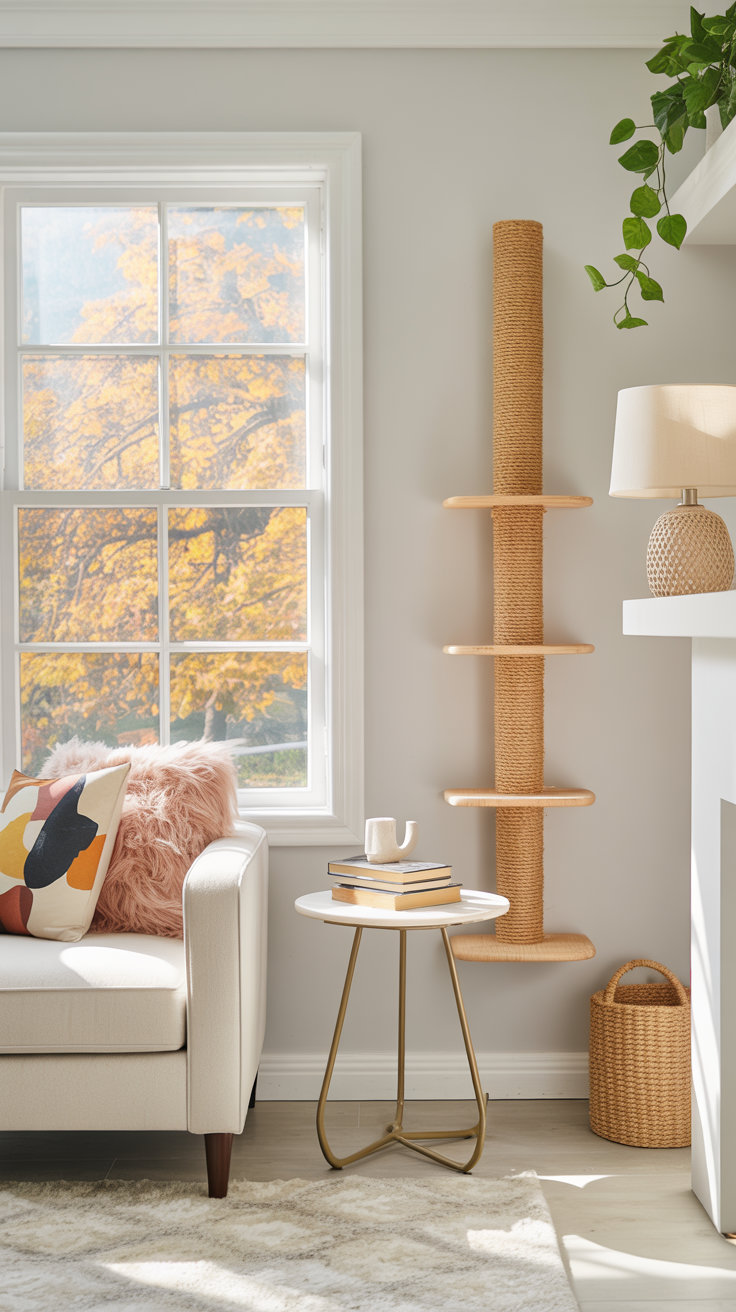
Decide on the right height before you drill. The bottom of the scratcher should sit at roughly your cat's shoulder height when they're standing on all fours. The top should extend high enough that your cat can fully stretch with front paws raised.
Use a level to make sure the panel is straight. Mark your drill holes, insert wall anchors if needed, and secure the panel firmly. Give it a firm push and pull test before letting your cat near it — it should have zero wobble.
Introduce your cat to it with a little catnip spray or by gently placing their paws on the surface. Most cats investigate a new scratcher within a few minutes. Ultimate Guide To Cat-Friendly Christmas Tree Ideas
Building a Full DIY Cat Wall
Planning a Multi-Panel Layout
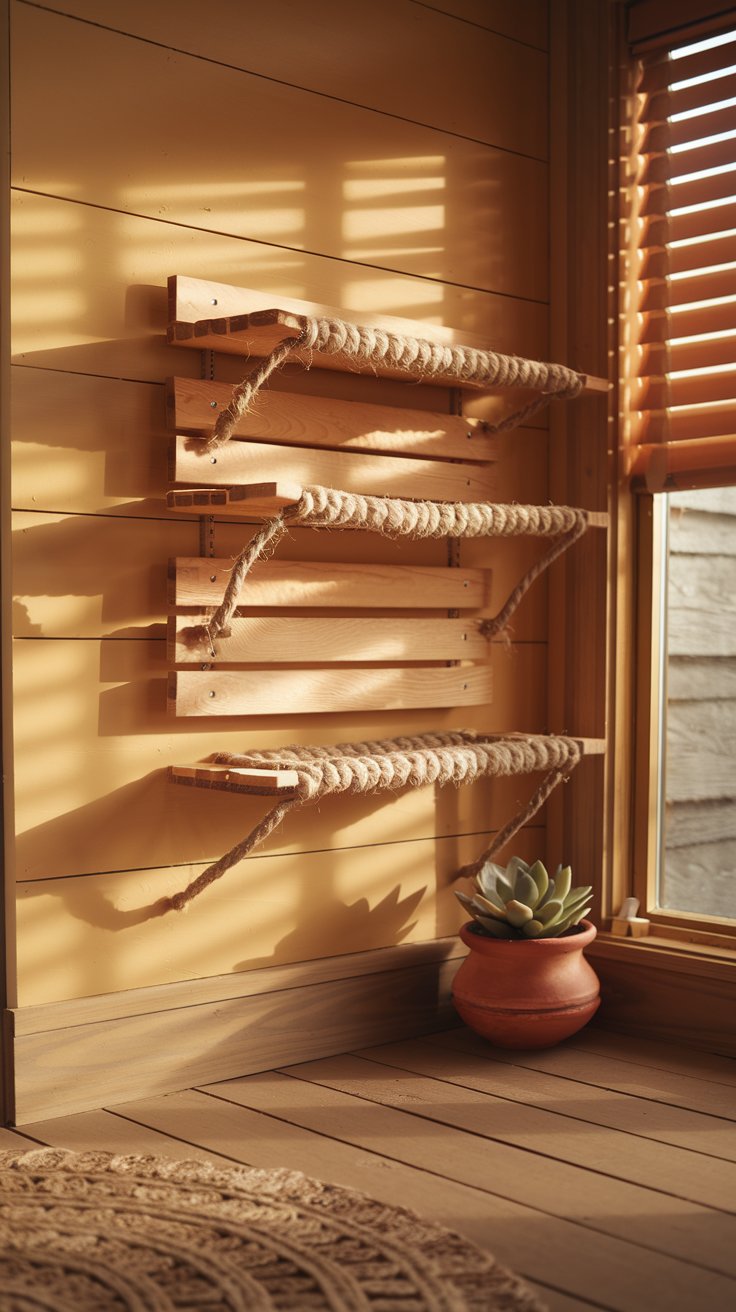
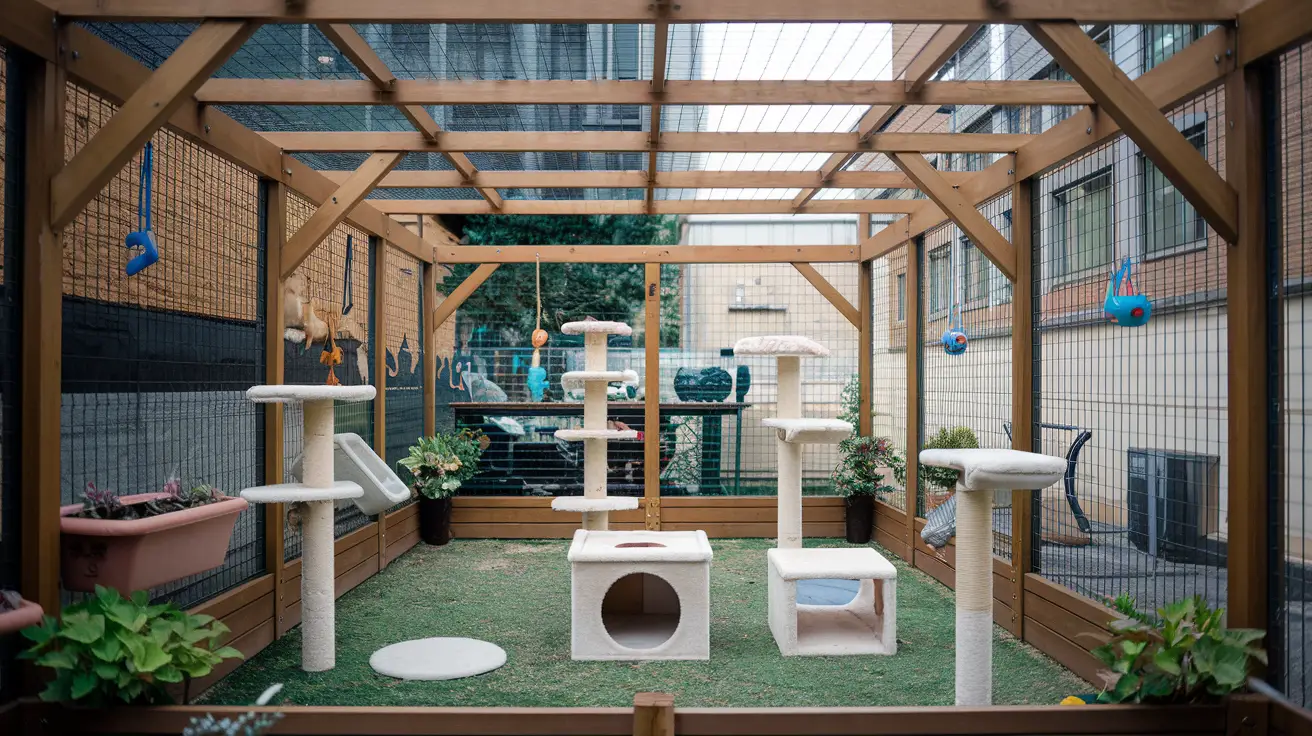
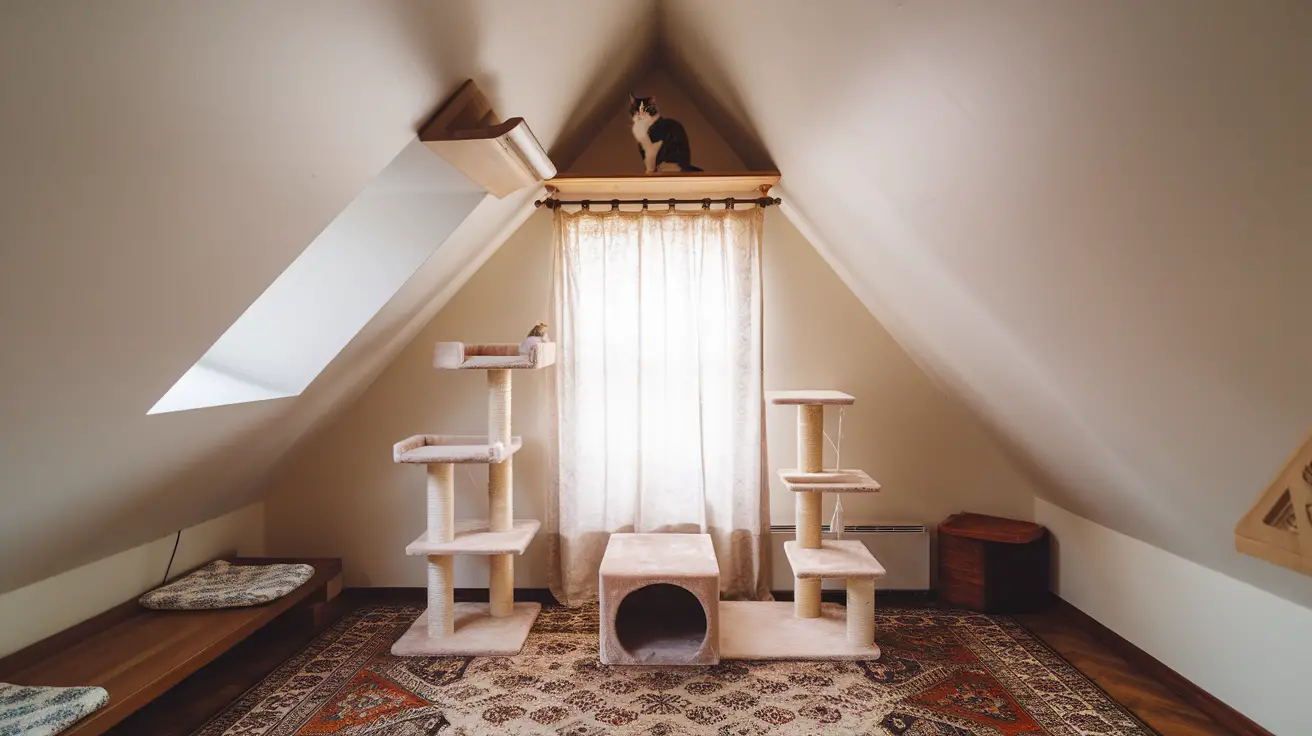
If you want to go beyond a single scratcher, you can build out a full cat wall. This includes multiple scratcher panels, wall-mounted shelves, and maybe even a hideaway or tunnel. It turns one wall of your home into a dedicated cat enrichment zone.
Start by sketching a layout on paper. Think about how your cat currently moves around the room and where they like to jump. Space shelves about 12–18 inches apart vertically so your cat can step between them comfortably.
Adding Shelves and Perches
Wall-mounted cat shelves pair perfectly with scratcher panels. You can buy pre-made wooden shelves or cut your own from the same plywood used for the scratchers. Cover them with carpet or faux sheepskin for grip and comfort.
Place a scratcher panel next to or below each shelf. Cats love to scratch before or after they jump up — it's a natural part of their movement routine. Grouping them together makes the wall feel like a cohesive activity zone rather than random objects stuck to your wall.
Recommended Products for Your Build
While this is a DIY project, a few quality materials and tools will make a big difference in how the finished scratcher looks and holds up. Here are some items worth picking up:
Recommended Products
- YITAHOME Tall Cactus Cat Tree Tower with Self-Grooming Brush, 60in Cute Cat Climbing Tower for Indoor Cats with Cat Condo, Top Perch, Basktet, Sisal Scratching Posts and Board, Dangling,Ball, 60 in Height
- YITAHOME Cat Bed for Indoor Cats Cube House, Covered Cat House with Fluffy Ball Hanging and Nature Sisal Post,Cat Cave Bed Playhouse, Cute Cat Condo for Multi Small Pet Kitten, Grey, 1-Tier, GREY
- YITAHOME Cat Tree with Litter Box Enclosure, 2-in-1 Cat Furniture, Modern Cat Condo with Cat House, Perch, Food Station, Hammocks, Scratch Post, Hair Brush, 53.5 Inch, White, 53.5in, White
- The Cat Ladies Cat Scratch Furniture Protector Mat – Couch Protector from Claws – Anti Scratch Furniture Protectors from Cats Scratching – Sisal Scratcher Pad with Pocket – Beige
- Gardner Pet Cat Toys Chargeable,5in1 Hide and Seek Automatic Interactive cat Toy, Chirping Moving Ambush Feather, Track Balls,Indoor Exercise Kicker 24 inch Cover for All Breeds,Boho Style – Beige
- Natural sisal rope (3/8 inch diameter) — thick enough to grip, thin enough to wrap tightly
- Pre-cut sisal fabric sheets — great for a clean, flat surface finish
- Heavy-duty staple gun — essential for secure fabric attachment
- French cleat wall mount kit — makes panels easy to reposition or remove
- Catnip spray — helps introduce your cat to the new scratcher fast
Tips to Make Your Cat Actually Use It
Location Is Everything
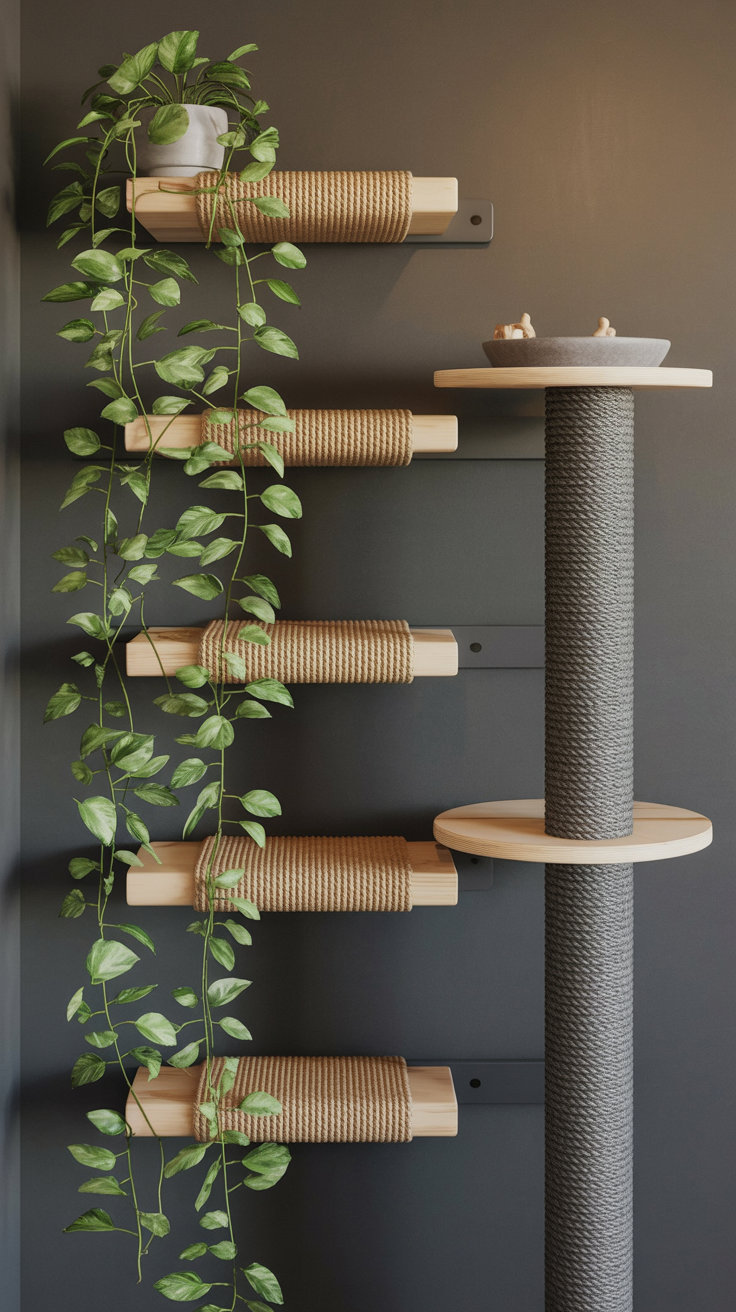
Even the best-built scratcher will be ignored if it's in the wrong spot. Cats prefer to scratch in high-traffic areas, near where they sleep, or close to doorways. Don't hide the scratcher in a back hallway — put it somewhere your cat already spends time.
If your cat has been scratching a specific piece of furniture, place the new wall scratcher right next to that spot. Once they adopt the new surface, you can gradually move it a few inches at a time to a more convenient location.
Make It More Appealing Than the Furniture
You want the scratcher to win the competition for your cat's attention. Spray it with catnip or silver vine, and hang a small toy from the top to draw their curiosity. Reward your cat with a treat every time you see them using it — positive reinforcement works fast.
At the same time, make the furniture less appealing. Double-sided tape on the corners of your couch creates an unpleasant texture most cats avoid. Combined with a great new scratcher nearby, most cats make the switch within a week.
Maintain It Regularly
Sisal wears down over time, especially with a heavy scratcher. Check the surface every few months for loose threads or fraying sections. A worn sisal surface is actually preferred by many cats — they like the slightly shredded texture — but if it starts coming loose, it's time to replace the covering.
Rewrapping or re-covering your scratcher takes about 20 minutes and costs a few dollars in material. This is one of the biggest advantages of a DIY build — you can refresh it cheaply instead of buying a whole new product.
Frequently Asked Questions
What is the best material for a DIY cat wall scratcher?
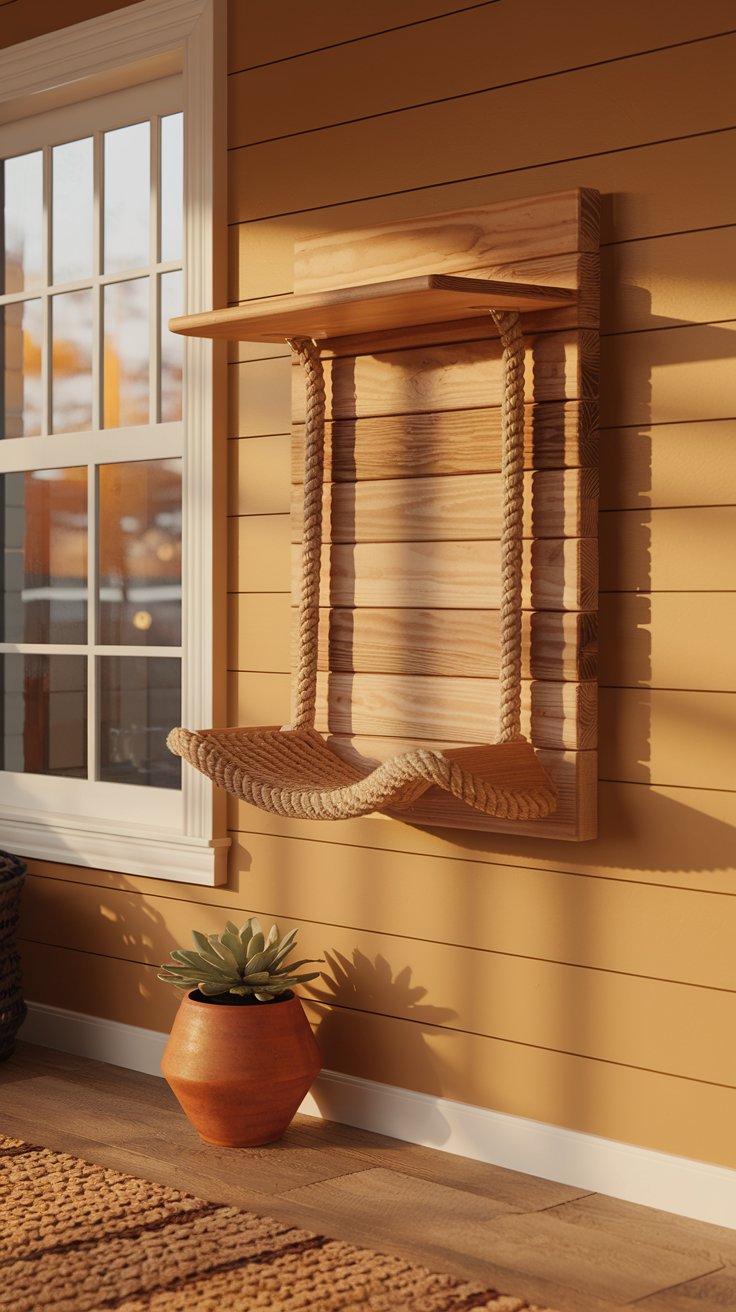
Sisal rope and sisal fabric are both excellent choices. Sisal rope gives a more rustic look and is very durable. Sisal fabric is easier to attach cleanly and works well if you want a flat panel look. Either material will hold up to regular scratching and is safe for cats.
How high should I mount a cat wall scratcher?
Mount it so the bottom of the panel is at your cat's shoulder height when standing on all fours. The top should be high enough that your cat can fully stretch with their front legs extended. For most cats, this means a panel bottom around 18–24 inches from the floor.
How do I get my cat to use a wall scratcher instead of the furniture?
Place the scratcher directly next to the furniture your cat currently scratches. Use catnip spray to attract them to the new surface, and reward them with treats when they use it. Make the furniture less appealing with double-sided tape while your cat is making the switch.
Can I build a cat wall scratcher without power tools?
Yes. If you buy a pre-cut board from a hardware store, all you need is a staple gun, hot glue gun, and basic hand tools for mounting. Many hardware stores will cut wood to size for free or a small fee. The whole project can be completed in an afternoon with no power tools at all.
How long does a DIY cat wall scratcher last?
A well-built scratcher with quality sisal should last one to two years before the surface needs replacing. The backing board will last indefinitely — you just replace the sisal rope or fabric when it wears out. This makes it far more cost-effective than buying commercial scratchers repeatedly.
Final Thoughts
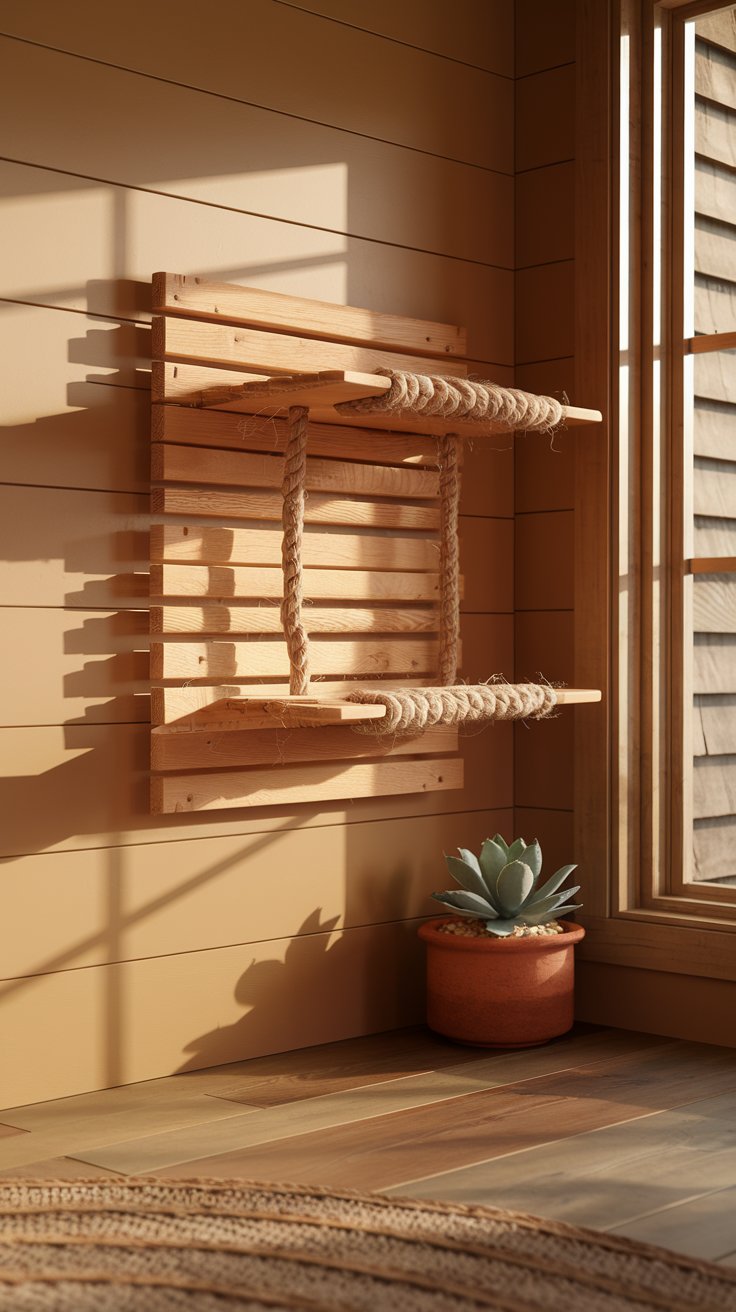
A DIY cat wall scratcher is one of the most practical things you can build for your cat. It protects your furniture, supports your cat's natural behavior, and costs a fraction of what store-bought options run. With a free afternoon and a few basic materials, you can have one mounted and ready to use — and a much happier cat by the end of the day.
This website contains affiliate links. As an Amazon Associate and an affiliate for other programs, I earn from qualifying purchases. Clicking on an affiliate link may result in a commission being paid to me at no additional cost to you.




Leave a Reply